


Cushion Tire Forklift Overview: Understanding Cushion Tire Forklifts
- Philix Chen
- May 18
- 5 min read

Forklifts play a crucial role in material handling across various industries. Among the different types available, cushion tire forklifts stand out for their specific design and applications. This post explores the key features, benefits, and practical considerations of cushion tire forklifts. It aims to provide clear, useful information for businesses seeking efficient and reliable forklift solutions.
Cushion Tire Forklift Overview
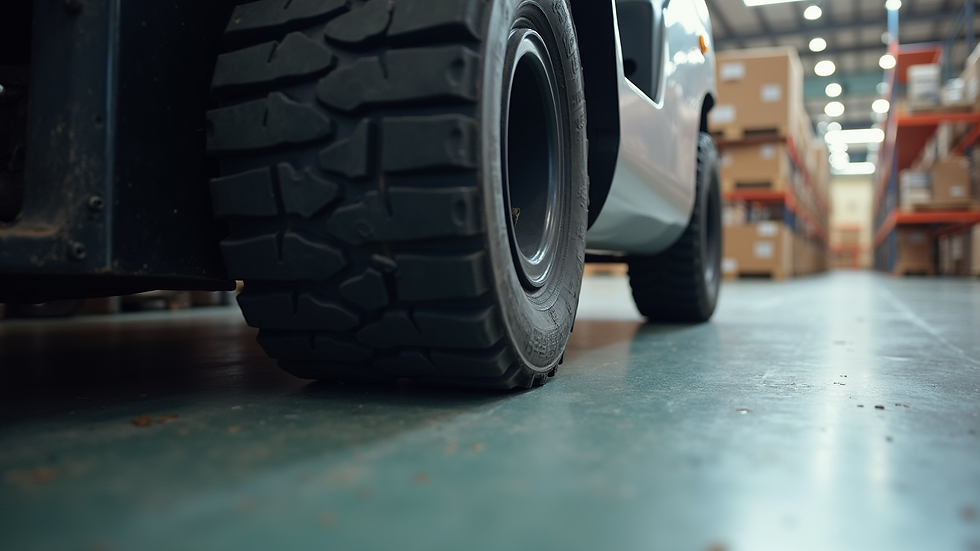
Cushion tire forklifts are designed with solid rubber tires that are smooth and compact. These tires are made from a solid rubber compound, which provides a firm grip on smooth surfaces such as concrete or asphalt. Unlike pneumatic tires, cushion tires do not have air inside, making them less prone to punctures and maintenance issues.
These forklifts are typically electric-powered, which aligns with the growing demand for eco-friendly and low-emission equipment in warehouses and industrial facilities. Their compact design allows for better maneuverability in tight spaces, making them ideal for indoor use.
The solid tires provide excellent stability and traction on flat surfaces. This makes cushion tire forklifts suitable for operations that require frequent stops, starts, and turns in confined areas. They are commonly used in warehouses, manufacturing plants, and distribution centers where smooth floors are standard.

Key Features and Benefits of Cushion Tire Forklifts
Cushion tire forklifts offer several advantages that make them a preferred choice for many material handling tasks. Understanding these features helps in selecting the right forklift for specific operational needs.
Compact Size: Cushion tire forklifts have a smaller turning radius compared to pneumatic tire forklifts. This allows them to navigate narrow aisles and tight corners efficiently.
Low Maintenance: The solid rubber tires do not require inflation and are resistant to punctures. This reduces downtime and maintenance costs.
Smooth Ride on Hard Surfaces: These forklifts perform best on smooth, hard surfaces. The tires provide good traction and stability, which enhances safety during operation.
Electric Power: Most cushion tire forklifts are electric, which means they produce zero emissions. This is beneficial for indoor environments where air quality is a concern.
Cost-Effective: Generally, cushion tire forklifts are less expensive to purchase and maintain than their pneumatic counterparts.
For example, a distribution center with narrow aisles and smooth concrete floors would benefit from using cushion tire forklifts. The forklifts can move quickly and safely without the risk of tire damage from debris or rough terrain.
Are Forklifts That Utilize Cushion Tires Higher or Lower to the Ground?
One important aspect to consider is the height of cushion tire forklifts compared to other types. Forklifts with cushion tires tend to be lower to the ground. This design feature contributes to their stability and maneuverability in indoor settings.
The lower profile allows operators to have better visibility and control when handling loads. It also helps the forklift fit into tighter spaces, such as loading docks or narrow warehouse aisles. However, this lower ground clearance means cushion tire forklifts are not suitable for rough or uneven outdoor surfaces.
In contrast, pneumatic tire forklifts, which have larger, air-filled tires, sit higher off the ground. This makes them better suited for outdoor use where terrain can be uneven or gravelly.
Understanding this difference is crucial when deciding which forklift type fits the operational environment. For indoor warehouses with smooth floors, cushion tire forklifts offer a safer and more efficient option due to their lower height and compact design.
Practical Applications and Industry Use Cases
Cushion tire forklifts are widely used in industries where indoor material handling is frequent and space is limited. Here are some practical examples of their applications:
Warehousing and Logistics: These forklifts excel in warehouses with narrow aisles and smooth floors. They help move pallets quickly and safely, improving overall workflow.
Manufacturing Facilities: In factories, cushion tire forklifts handle heavy loads and raw materials. Their electric power reduces noise and emissions, creating a better working environment.
Distribution Centers: Fast-paced distribution centers benefit from the maneuverability and low maintenance of cushion tire forklifts. They support high-volume loading and unloading operations.
Retail and Wholesale Operations: Stores and wholesale outlets with limited space use cushion tire forklifts to move goods efficiently without damaging floors.
Fleet Distributors and Dealers: These forklifts are popular among dealers supplying electric forklift solutions due to their reliability and cost-effectiveness.
For instance, a manufacturing plant producing electronics might use cushion tire forklifts to transport components between assembly lines. The forklifts’ electric motors reduce noise, which is important in environments requiring concentration and precision.
Maintenance Tips for Cushion Tire Forklifts
Proper maintenance ensures cushion tire forklifts operate safely and efficiently over time. Here are some actionable recommendations:
Regular Tire Inspection: Even though cushion tires are solid, they can wear down. Check for cracks, flat spots, or excessive wear regularly.
Battery Care: Since many cushion tire forklifts are electric, maintaining the battery is critical. Follow manufacturer guidelines for charging and storage.
Brake and Steering Checks: Inspect brakes and steering components frequently to ensure responsive control.
Clean Operating Environment: Keep floors clean and free of debris to prevent unnecessary tire wear and improve traction.
Scheduled Servicing: Adhere to routine servicing schedules for motors, hydraulics, and electrical systems.
By following these maintenance tips, businesses can extend the lifespan of their cushion tire forklifts and reduce unexpected downtime.
Choosing the Right Cushion Tire Forklift for Your Needs
Selecting the appropriate cushion tire forklift depends on several factors:
Load Capacity: Determine the maximum weight the forklift needs to handle.
Operating Environment: Confirm that the floors are smooth and indoor conditions are suitable.
Maneuverability Requirements: Consider aisle width and turning radius needs.
Power Source: Electric cushion tire forklifts are ideal for indoor use and eco-friendly operations.
Budget: Balance initial investment with long-term maintenance costs.
Consulting with forklift experts or suppliers can help match the right model to specific operational demands. This ensures efficiency and safety in material handling tasks.
For those unfamiliar with the term, here is a helpful resource explaining what is a cushion tire forklift.
Future Trends in Cushion Tire Forklift Technology
The forklift industry is evolving with advancements in battery technology and automation. Cushion tire forklifts are benefiting from these innovations:
Lithium-Ion Batteries: These batteries offer longer run times, faster charging, and reduced maintenance compared to traditional lead-acid batteries.
Automation and Safety Features: New models include sensors, cameras, and automated controls to enhance operator safety and productivity.
Eco-Friendly Designs: Manufacturers focus on reducing emissions and energy consumption, aligning with global sustainability goals.
These trends support the growing demand for efficient, reliable, and environmentally responsible material handling equipment.
Final Thoughts on Cushion Tire Forklifts
Cushion tire forklifts provide a practical solution for indoor material handling needs. Their compact size, low maintenance, and electric power make them well-suited for warehouses, manufacturing plants, and distribution centers. Understanding their features and applications helps businesses make informed decisions that improve operational efficiency.
By investing in the right cushion tire forklift and maintaining it properly, companies can achieve safer, faster, and more cost-effective material handling. As technology advances, these forklifts will continue to play a vital role in modern logistics and industrial operations.


Comments