


Calculating Costs of Automated Guided Vehicles: AGV Cost Breakdown
- Philix Chen
- Mar 30
- 5 min read

Automated Guided Vehicles (AGVs) have become essential tools in modern material handling and logistics operations. They offer efficiency, safety, and eco-friendly solutions for moving goods within warehouses, manufacturing plants, and distribution centers. However, understanding the costs involved in acquiring and operating AGVs is crucial for making informed investment decisions. This article provides a detailed AGV cost breakdown, helping businesses evaluate the financial aspects of integrating these vehicles into their operations.
Understanding the AGV Cost Breakdown
When considering the purchase of an AGV, it is important to look beyond the initial price tag. The total cost of ownership includes several components that impact the overall investment. These components can be grouped into the following categories:
Initial Purchase Price: The upfront cost of the AGV unit itself.
Installation and Integration: Expenses related to setting up the AGV system, including software, hardware, and facility modifications.
Maintenance and Repairs: Ongoing costs to keep the AGV operational and efficient.
Energy Consumption: Power costs, especially relevant for electric AGVs.
Training and Support: Costs for training staff and technical support services.
Depreciation and Upgrades: The reduction in value over time and potential expenses for system upgrades.
Each of these factors contributes to the total financial commitment required for AGV deployment.
Initial Purchase Price
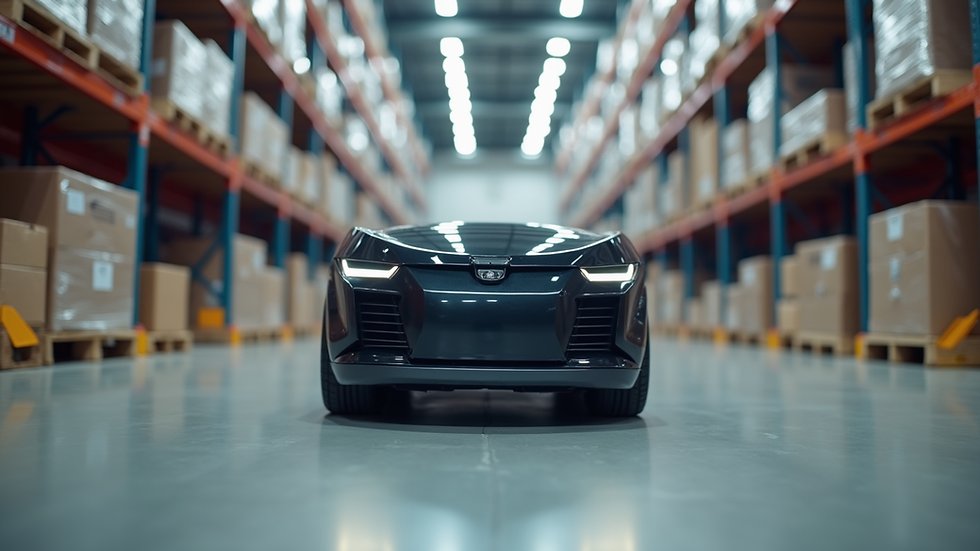
The initial purchase price varies depending on the type, size, and capabilities of the AGV. Basic models designed for simple transport tasks tend to be less expensive, while advanced AGVs with complex navigation systems, higher payload capacities, and additional features cost more. For example, a small AGV used for moving pallets within a retail warehouse may cost significantly less than a heavy-duty AGV designed for industrial manufacturing environments.
Installation and Integration Costs
Installing an AGV system involves more than just placing the vehicle in the facility. It requires integrating the AGV with existing warehouse management systems (WMS) or manufacturing execution systems (MES). This integration ensures smooth communication and coordination between the AGV and other operational components. Additionally, some facilities may need to modify their layouts or install guidance infrastructure such as magnetic strips, reflectors, or QR codes.
Maintenance and Repairs
Regular maintenance is essential to maximize the lifespan and performance of AGVs. Maintenance costs include routine inspections, software updates, battery replacements, and repairs due to wear and tear. Predictive maintenance technologies can help reduce unexpected downtime and repair expenses by identifying issues before they become critical.
Energy Consumption
Electric AGVs rely on batteries, often lithium-ion, which offer longer life and faster charging compared to traditional lead-acid batteries. Energy costs depend on the frequency of use, battery capacity, and charging infrastructure efficiency. Investing in energy-efficient AGVs can reduce operational expenses over time.
Training and Support
Proper training ensures that operators and maintenance personnel can safely and effectively manage AGVs. Training programs may include hands-on sessions, safety protocols, and troubleshooting techniques. Additionally, ongoing technical support from the AGV supplier can help resolve issues quickly and minimize disruptions.
Depreciation and Upgrades
Like any equipment, AGVs depreciate over time. Businesses should consider the expected useful life of the vehicle and plan for eventual replacement or upgrades. Upgrades may include software enhancements, hardware improvements, or additional features to keep pace with evolving operational needs.
How much does an AMR cost?
Automated Mobile Robots (AMRs) are a subset of AGVs with more advanced navigation and flexibility. Their costs reflect these capabilities. The price of an AMR can range widely based on payload capacity, navigation technology, and software features.
Entry-Level AMRs: These models typically cost between $20,000 and $50,000. They are suitable for light-duty tasks such as transporting small parts or packages.
Mid-Range AMRs: Priced between $50,000 and $100,000, these AMRs offer higher payload capacities and more sophisticated navigation systems.
High-End AMRs: These advanced models can exceed $100,000. They are designed for heavy-duty applications, complex environments, and integration with other automated systems.
In addition to the purchase price, businesses should factor in installation, maintenance, and operational costs similar to those of traditional AGVs.

Factors Influencing AGV Cost Variations
Several factors can influence the cost of AGVs and AMRs, making it important to assess specific operational requirements before making a purchase decision.
Payload Capacity
The weight an AGV can carry directly affects its design and cost. Higher payload capacities require stronger motors, larger batteries, and more robust construction, increasing the price.
Navigation Technology
AGVs use various navigation methods, including:
Magnetic Tape or Wire Guidance: Cost-effective but less flexible.
Laser Guidance: Offers higher precision and adaptability but at a higher cost.
Vision-Based Navigation: Uses cameras and sensors for dynamic pathfinding, typically the most expensive option.
Choosing the right navigation technology depends on the facility layout and operational complexity.
Environment and Application
The working environment impacts AGV design and cost. For example, AGVs used in clean rooms or hazardous environments require specialized materials and certifications, increasing expenses. Similarly, applications involving complex routes or frequent stops may require more advanced control systems.
Fleet Size and Scalability
Purchasing multiple AGVs can reduce the per-unit cost due to economies of scale. However, managing a larger fleet requires more sophisticated fleet management software and infrastructure, which adds to the overall investment.
Practical Recommendations for Cost Management
To optimize the investment in AGVs, businesses should consider the following recommendations:
Conduct a Thorough Needs Assessment
Analyze the specific material handling tasks, payload requirements, and facility layout to select the most suitable AGV type and features.
Plan for Integration Early
Engage with suppliers and IT teams to ensure seamless integration with existing systems, minimizing installation delays and additional costs.
Invest in Training
Proper training reduces operational errors and maintenance issues, leading to lower long-term costs.
Implement Preventive Maintenance
Schedule regular inspections and use predictive maintenance tools to avoid costly breakdowns.
Evaluate Energy Efficiency
Choose AGVs with energy-saving features and consider investing in efficient charging infrastructure.
Consider Total Cost of Ownership
Look beyond the initial purchase price and factor in all ongoing expenses to make a financially sound decision.
Final Thoughts on AGV Cost Considerations
Investing in AGVs can significantly enhance operational efficiency and safety. However, understanding the full scope of costs involved is essential for maximizing return on investment. By carefully analyzing the AGV cost breakdown and considering factors such as payload, navigation technology, and maintenance, businesses can select the right solutions that align with their operational goals and budget.
For those interested in detailed pricing and cost analysis, exploring the automated guided vehicle cost can provide valuable insights tailored to specific needs.
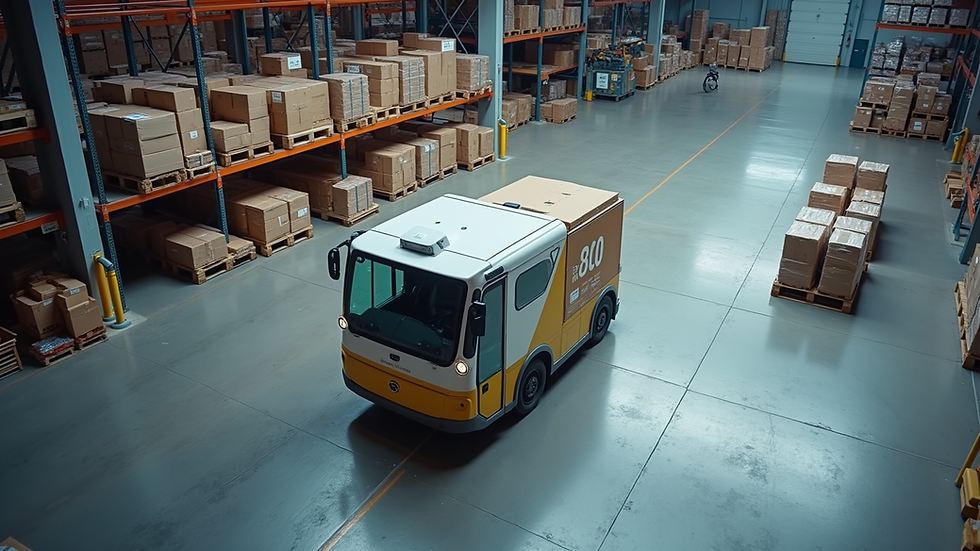
By approaching AGV investments with a clear understanding of costs and benefits, companies can confidently adopt these technologies to improve productivity and sustainability in their material handling operations.


Comments