


Ensuring Compliance with OSHA Forklift Standards: Forklift Safety Compliance Tips
- Philix Chen
- Mar 30
- 4 min read

Operating forklifts safely is a critical concern for many industries. Warehousing, manufacturing, distribution, retail, and fleet distribution all rely heavily on forklifts to move goods efficiently. However, safety must never be compromised. Compliance with safety regulations protects workers, reduces accidents, and improves operational efficiency. In this post, I will share practical forklift safety compliance tips and explain key OSHA forklift standards that every business should follow.
Forklift Safety Compliance Tips for Every Operation
Ensuring forklift safety starts with understanding the risks and implementing clear policies. Here are some essential tips to maintain compliance and promote a safe working environment:
Conduct Regular Training: Operators must receive thorough training before using forklifts. Training should cover operational procedures, hazard recognition, and emergency protocols. Refresher courses are equally important to keep skills sharp.
Perform Daily Inspections: Before each shift, forklifts should be inspected for mechanical issues. Check brakes, steering, controls, warning devices, and tires. Documenting inspections helps track maintenance needs.
Establish Clear Traffic Rules: Define forklift routes and pedestrian walkways. Use signs, floor markings, and barriers to separate forklift traffic from foot traffic. This reduces collision risks.
Use Proper Load Handling Techniques: Operators should never exceed the forklift’s rated capacity. Loads must be stable and balanced. When stacking, ensure loads are secure and do not obstruct the operator’s view.
Maintain Equipment: Regular maintenance prevents breakdowns and unsafe conditions. Follow manufacturer guidelines and keep maintenance records.
Implement Speed Limits: Set and enforce speed limits within the facility. Speeding increases the chance of accidents.
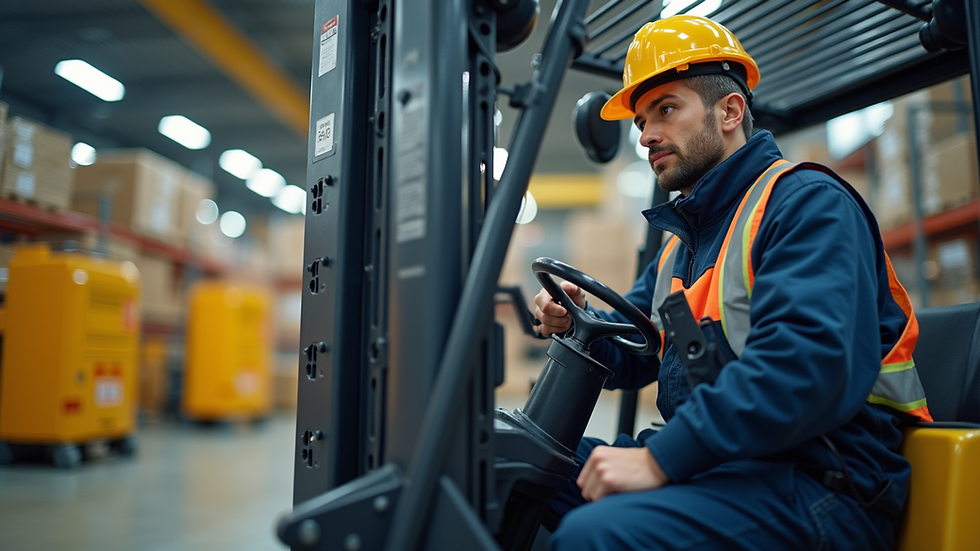
Provide Personal Protective Equipment (PPE): Operators should wear appropriate PPE such as hard hats, safety shoes, and high-visibility vests.
Encourage Reporting: Create a culture where employees report hazards or unsafe behaviors without fear of reprisal.
By following these tips, businesses can reduce accidents and stay compliant with regulations.
What is the 3 Foot Rule for Forklifts?
One important safety guideline often referenced in forklift operations is the "3 foot rule." This rule helps maintain safe distances between forklifts and pedestrians or other equipment.
The 3 foot rule states that pedestrians should keep at least three feet away from operating forklifts. This buffer zone reduces the risk of accidental contact or injury. Forklift operators should also maintain a minimum of three feet clearance when passing by obstacles or other vehicles.
In practice, this means:
Pedestrians must stay outside marked forklift lanes or designated forklift operating areas.
Operators should slow down and sound the horn when approaching intersections or blind spots.
Facilities should use floor markings and barriers to enforce the 3 foot separation.
Adhering to this rule helps prevent collisions and creates a safer environment for everyone.
Understanding OSHA Forklift Safety Standards
The Occupational Safety and Health Administration (OSHA) sets comprehensive regulations to ensure forklift safety. These standards cover operator training, equipment maintenance, and workplace safety practices.
Key points include:
Operator Training and Certification: OSHA requires that forklift operators be trained and certified before operating powered industrial trucks. Training must include formal instruction, practical training, and evaluation.
Safe Operation Practices: Operators must follow safe driving practices, including obeying speed limits, using seat belts, and avoiding hazardous maneuvers.
Equipment Maintenance: Forklifts must be inspected daily and maintained in safe operating condition.
Workplace Environment: Employers must ensure that the work environment is safe for forklift operation. This includes proper lighting, clear aisles, and safe loading/unloading areas.
Load Handling: Loads must be stable and secure. Operators should never exceed the forklift’s rated capacity.
For detailed information, businesses can refer to the official osha forklift safety standards page.
Following these standards not only ensures legal compliance but also significantly reduces workplace injuries and fatalities.

Practical Steps to Implement Forklift Safety Programs
Implementing a forklift safety program requires commitment and organization. Here are actionable steps to get started:
Assess Current Practices: Conduct a safety audit to identify gaps in training, equipment, and procedures.
Develop Written Policies: Create clear forklift safety policies that align with OSHA standards and company goals.
Schedule Training Sessions: Arrange initial and refresher training for all forklift operators. Use certified trainers and include hands-on practice.
Establish Inspection Routines: Set up daily inspection checklists and assign responsibility for completion.
Improve Workplace Layout: Design traffic flow to minimize forklift-pedestrian interaction. Use signage and barriers effectively.
Monitor and Enforce Compliance: Regularly observe forklift operations and address unsafe behaviors promptly.
Encourage Feedback: Involve employees in safety discussions and encourage reporting of hazards.
Review and Update: Periodically review safety programs and update them based on incident reports and regulatory changes.
By following these steps, companies can build a culture of safety that protects workers and assets.
Benefits of Compliance with Forklift Safety Standards
Complying with forklift safety standards offers multiple advantages:
Reduced Accidents and Injuries: Proper training and safety measures lower the risk of collisions, tip-overs, and injuries.
Lower Costs: Fewer accidents mean reduced medical expenses, insurance premiums, and downtime.
Improved Productivity: Safe operations minimize disruptions and maintain smooth workflow.
Legal Protection: Compliance helps avoid fines, penalties, and legal liabilities.
Enhanced Reputation: Demonstrating commitment to safety builds trust with clients, partners, and employees.
Investing in forklift safety is a smart business decision that supports long-term success.
Moving Forward with Safety in Mind
Ensuring forklift safety is an ongoing process that requires vigilance and dedication. By integrating the practical tips shared here and adhering to osha forklift safety standards, businesses can create safer workplaces and improve operational efficiency.
Regular training, equipment maintenance, clear policies, and a culture of safety awareness are the foundation of effective forklift safety compliance. As material handling technology evolves, staying informed and proactive will help companies meet the challenges of modern logistics and industrial operations.
Prioritizing forklift safety is not just about meeting regulations - it is about protecting people and assets while supporting sustainable growth.


Comments